Integrating Psychosocial Care into Human Rights Protection: Reflections from a Consultative Meeting
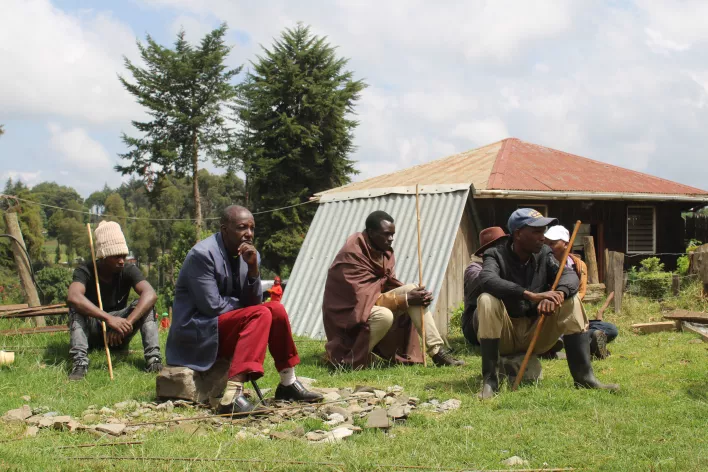
“Up that ridge is where we used to live,” an Ogiek community member told us last year, pointing toward the mist-covered hills of the Mau Forest. Her words captured a reality that continues to define the lives of many Ogiek families today: repeated displacement, loss of livelihood, and a deep sense of erasure. For generations, the Ogiek Indigenous community has faced forced evictions from their ancestral lands, despite two landmark rulings by the African Court on Human and Peoples’ Rights affirming their rights and ordering reparations. Years later, these decisions remain largely unimplemented, leaving hundreds of families displaced from Sasumwani in late 2023 without land, protection, or meaningful state support.
Beyond the loss of homes and livelihoods lies a quieter but equally devastating crisis. Displacement has fractured traditional family structures, increased economic strain, and placed immense psychological pressure on individuals and families. Many community members speak of depression, trauma, and emotional exhaustion, compounded by stigma around mental health and limited access to appropriate support. For human rights defenders working within the community, these pressures are even more acute, as they continue their advocacy under constant threat, uncertainty, and burnout.
“The Ogiek community has gone through solastalgia (this is distress caused by the destruction of one’s home environment) where this manifests as deep sense of loss and powerlessness. On the other hand, there is erosion of culture; the elders feel a sense of failure and cognitive overload when they can not teach the youth how to harvest honey or identify medicinal plants. The Ogiek community are kept in a state of disillusionment and chronic stress because of lack of implementation in their legal ” victories”. After the evictions, the community members were forced onto other ethnic groups land, which often leads to resource competition and creates a feeling of being an outsider”
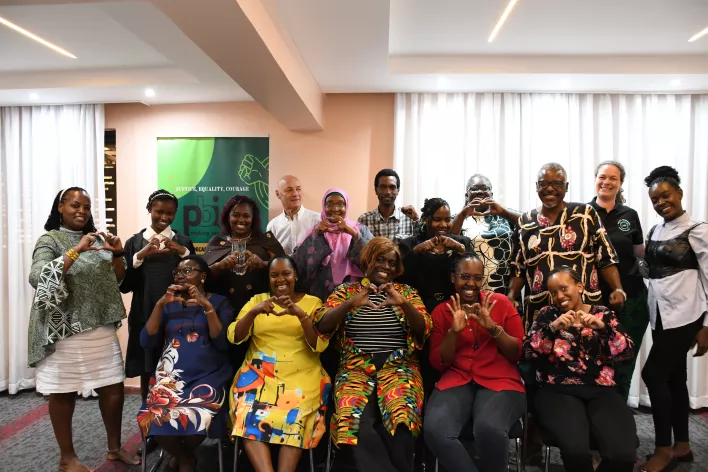
In 2026, our work has sought to respond to these realities by strengthening the psychosocial aspect of human rights protection. We recently convened a consultative meeting that brought together human rights defenders, mental health professionals, counsellors, and wellness practitioners, including a representative from the Ogiek People’s Development Programme who attended as a participant. The meeting was designed as a space for shared learning and reflection, equipping participants with practical knowledge and skills that can be applied as best practices within their own organisations and communities.
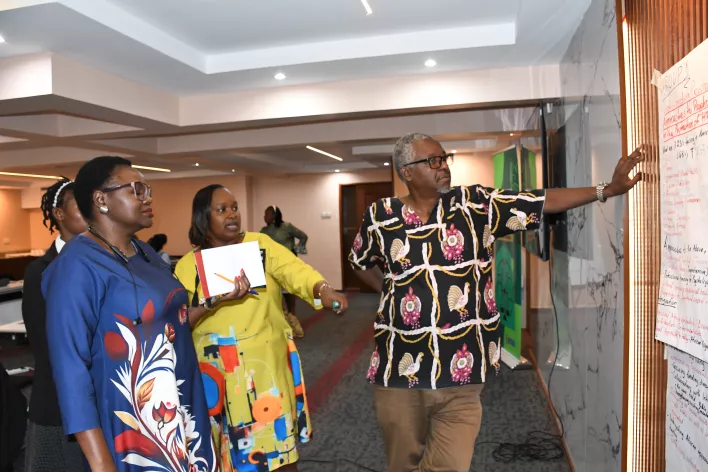
Through facilitated discussions, participants examined how psychosocial support can be meaningfully integrated into the protection of human rights defenders, particularly those operating on the frontlines. Conversations highlighted persistent challenges such as limited understanding of psychosocial care, the normalization of trauma, confidentiality concerns, and the high levels of burnout experienced by defenders. At the same time, the meeting emphasized constructive approaches, including peer-to-peer support, clearer referral pathways for mental health care, and stronger connections between defenders and service providers who understand the unique pressures of human rights work.
This engagement marked an important step toward recognizing that protection is not only about physical safety or legal advocacy, but also about emotional resilience and well-being. While justice for the Ogiek remains delayed and their struggle for land and recognition continues, building psychosocial capacity among defenders helps ensure that their voices are sustained rather than silenced. The Ogiek continue to show remarkable resilience in the face of systemic neglect, and meaningful support must extend beyond courtrooms to include care, accompaniment, and the tools needed to endure a long and ongoing struggle.